From Concept to Closet: The Journey of Unique Fashion Designs


The Birth of a Fashion Idea
Every unique fashion design begins with a spark of creativity. Designers often draw inspiration from a variety of sources such as art, nature, and culture. This initial stage is all about brainstorming and gathering ideas. Designers use mood boards, sketches, and digital tools to flesh out their concepts, ensuring that their vision is both original and feasible.
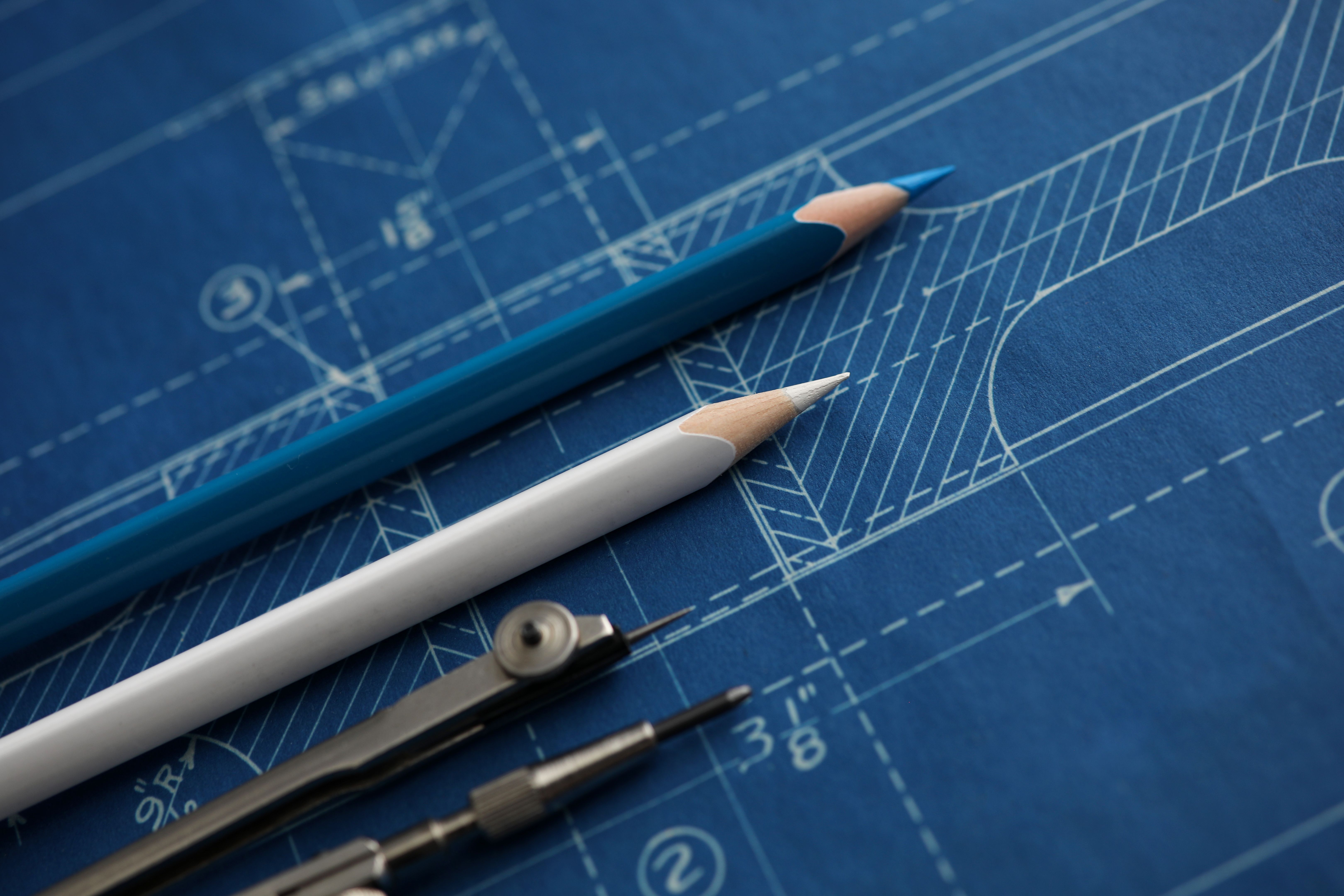
During this phase, it's crucial for designers to consider their target audience. Understanding who will wear the clothes and how they will fit into their lifestyle is essential for creating pieces that resonate. This foundational step sets the stage for the entire design process.
From Sketch to Sample
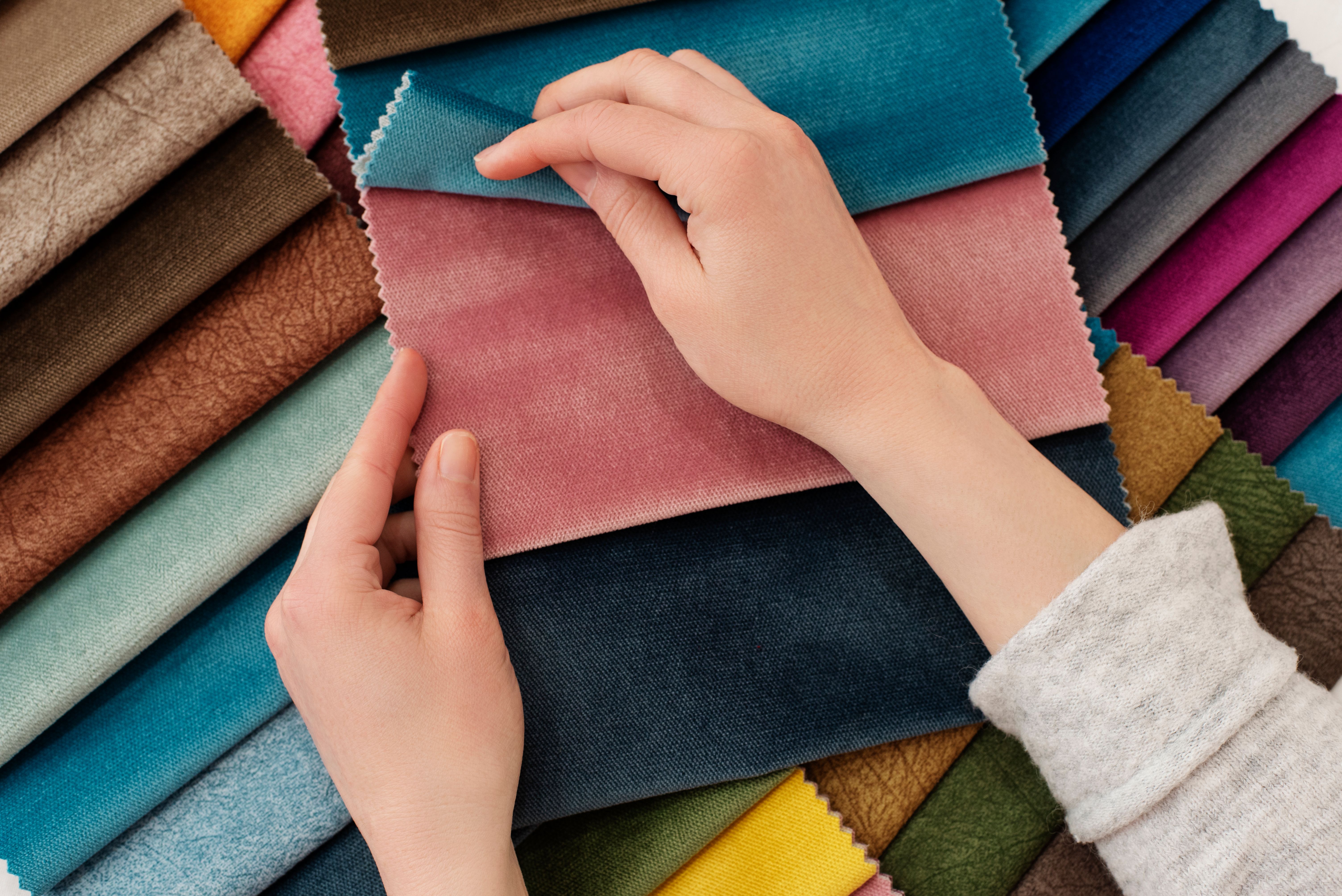
Once a concept is solidified, the next step is transforming sketches into tangible samples. This involves selecting fabrics, creating patterns, and constructing prototypes. Designers work closely with pattern makers and seamstresses to ensure that each piece is crafted to perfection.
This stage often includes several rounds of revisions. Samples are tested for fit, comfort, and style, with adjustments made based on feedback. This iterative process ensures that the final product aligns with the designer's vision while meeting quality standards.
The Role of Technology
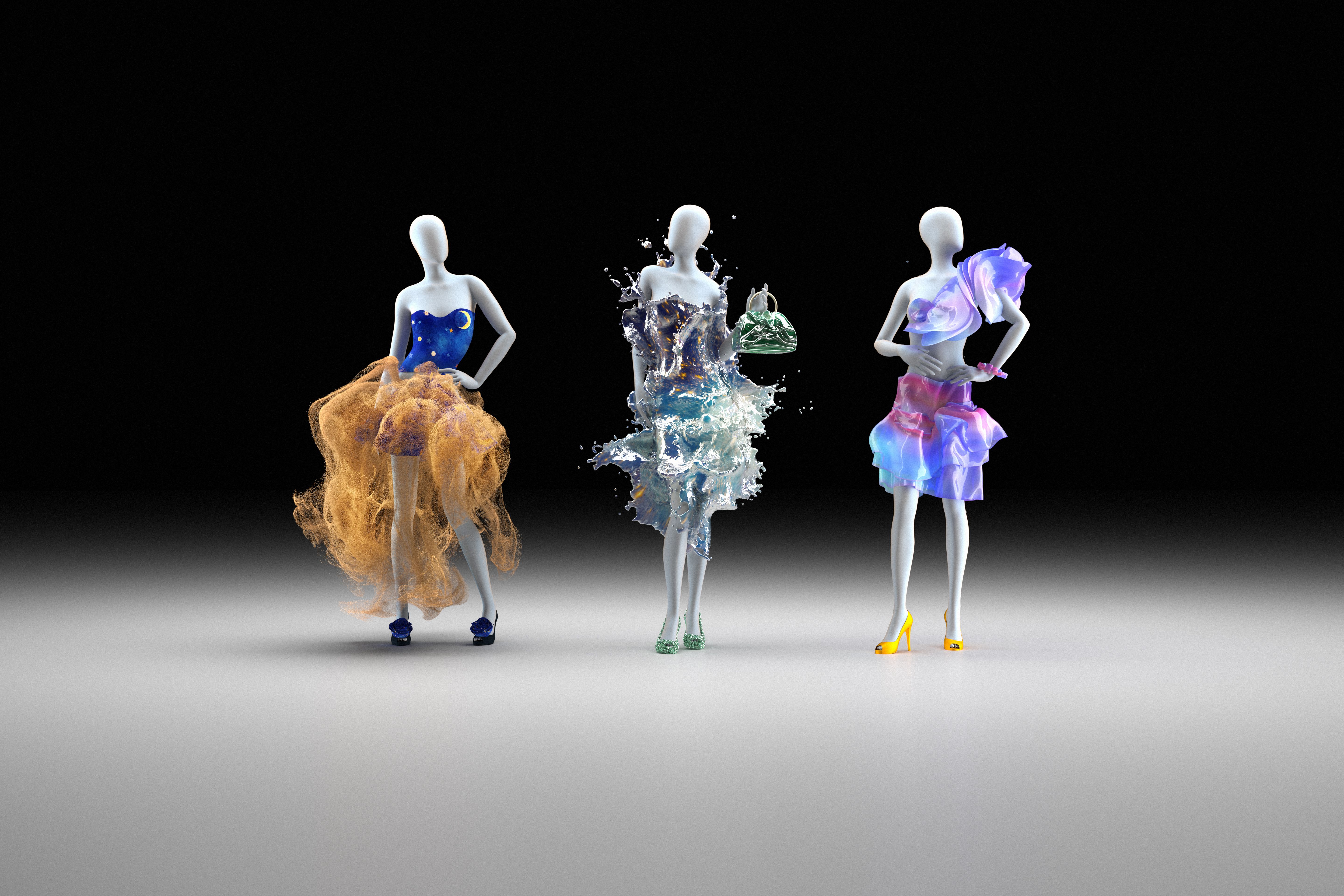
In today's fashion industry, technology plays a significant role in the design process. From 3D modeling software to digital fabric printing, these tools allow designers to experiment with textures, colors, and shapes in innovative ways. Technology also streamlines production, reducing costs and time to market.
Moreover, digital platforms enable designers to connect with global audiences, expanding their reach and influence. Social media and online marketplaces have become vital channels for showcasing new collections and engaging with fashion enthusiasts worldwide.
Crafting the Final Collection
After refining their samples, designers focus on assembling a cohesive collection. This involves selecting a range of pieces that complement each other while showcasing the designer's unique style. Collections often tell a story, with each garment contributing to an overarching theme or narrative.
Designers also collaborate with stylists, photographers, and marketers to prepare for fashion shows and launch events. These platforms provide an opportunity to debut new designs and create buzz in the fashion community.
From Runway to Retail
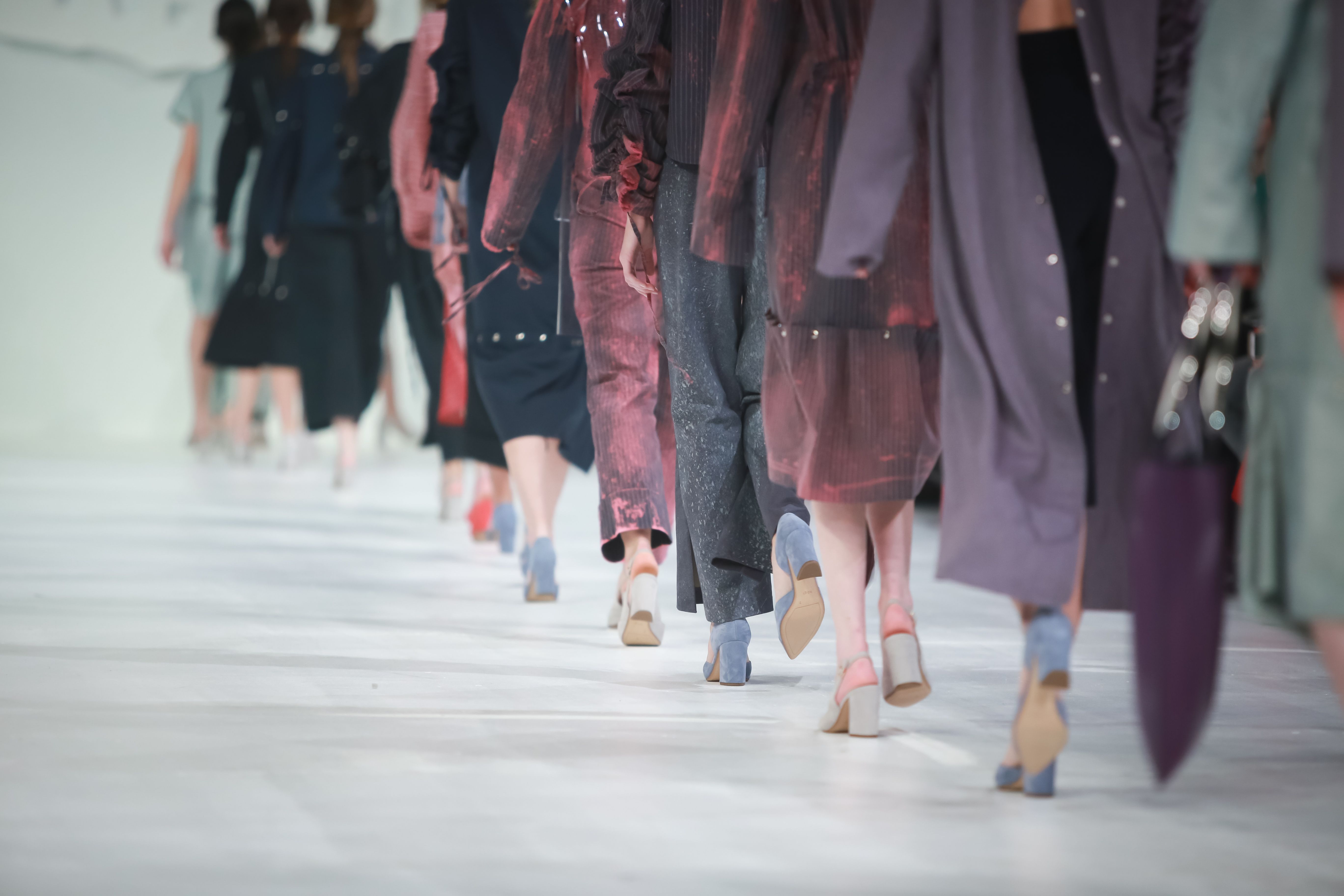
Once a collection has been unveiled, the journey from concept to closet continues with production and distribution. Manufacturers produce the garments in larger quantities, and logistics teams ensure they reach retail destinations.
Retailers, both online and offline, play a crucial role in making fashion accessible to consumers. They curate selections that align with their brand identity and cater to their customer base, ensuring that unique designs find their way into closets around the world.
The Impact of Sustainability
In recent years, sustainability has become a key consideration for fashion designers. The journey of a design now includes evaluating environmental impacts and sourcing eco-friendly materials. Many designers are adopting ethical practices and exploring innovative solutions to reduce waste.
Consumers are increasingly aware of the importance of sustainability, and this shift in demand is influencing how designs are conceived and produced. As a result, the fashion industry is evolving towards more sustainable and responsible practices.